
Three Frequent Errors When Ordering From Big Box
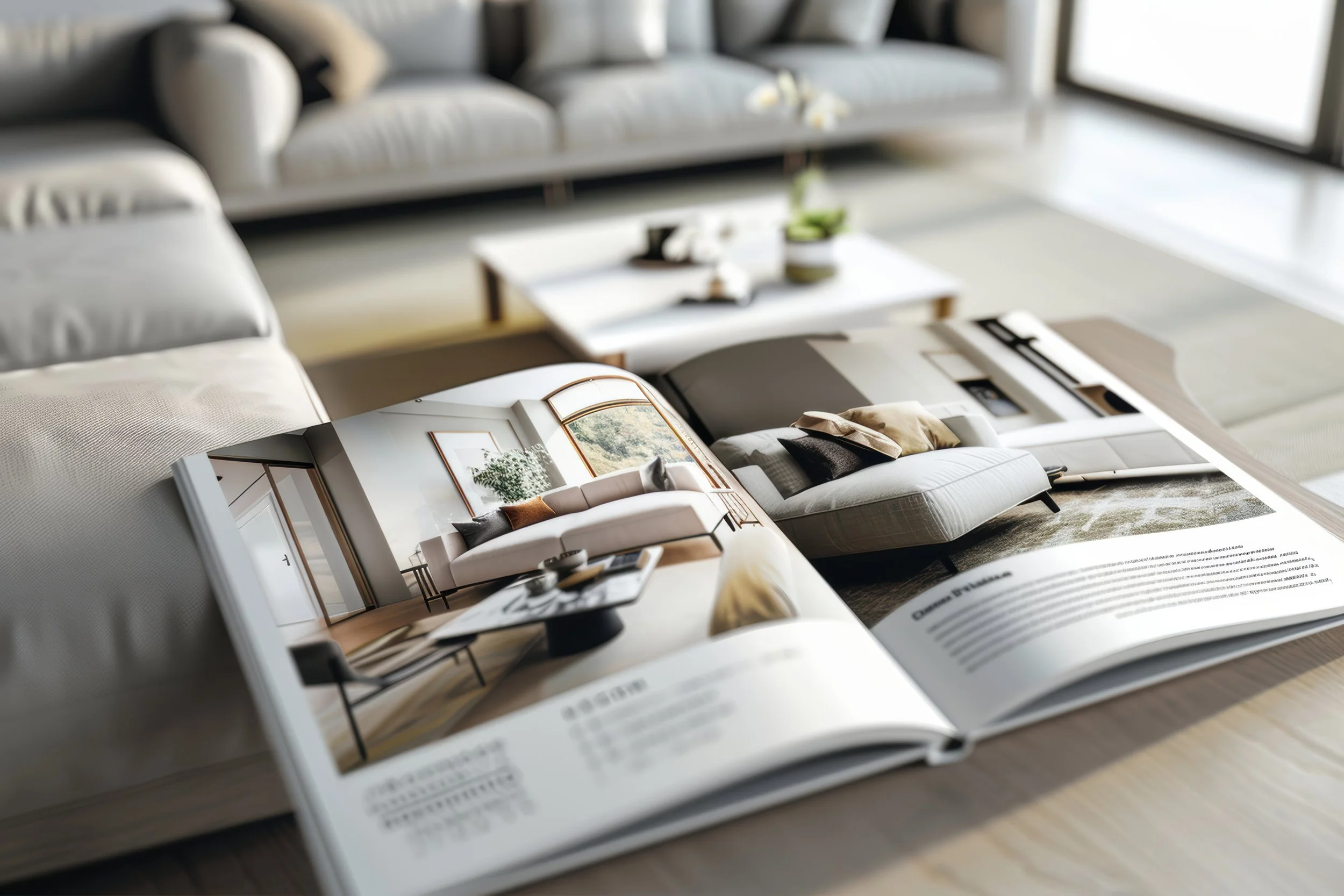
Big box furniture manufacturers make a fundamental assumption: that beautiful photography is enough to help people make good decisions about their homes.Polished catalogs. Styled rooms. Perfect lighting. It looks convincing.But homes are not photo shoots. They are functional systems. And when decisions are made based on images instead of planning, problems follow.
MISTAKE #1: Guessing Instead of Space Planning
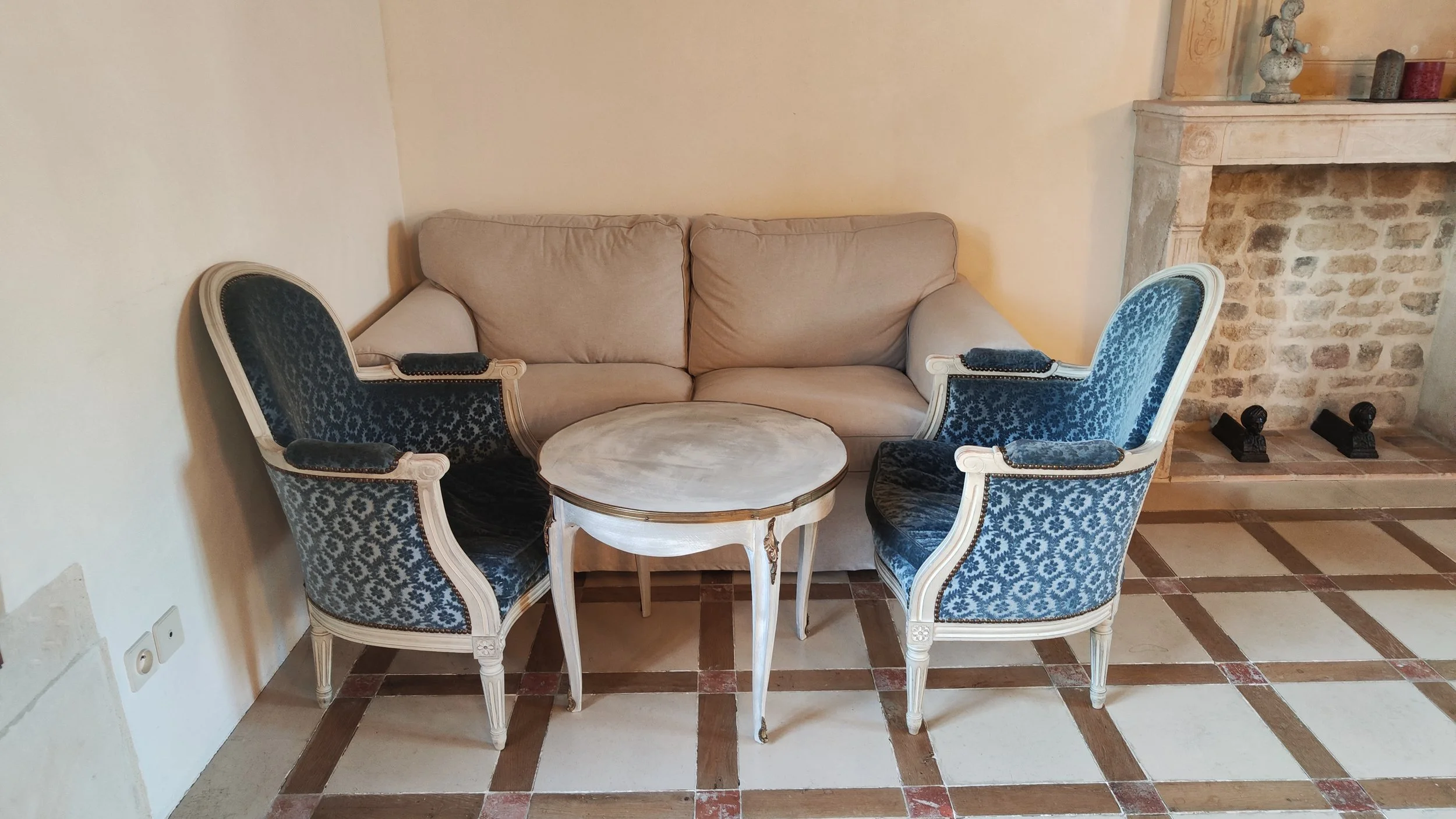
The most common mistake homeowners and service providers at big box retailers make is guessing. They measure what they already own and go slightly bigger or smaller. Or they stand in a room with a tape measure and estimate what "feels right." Some rely on augmented reality tools, assuming they provide clarity. Big box retailers operate on a 1:1 model, they're looking at what already exists and placing furniture accordingly, not reimagining the space.
But size isn't about comparison. It's about circulation.
Can someone move comfortably from the front door to the kitchen?
Does the path to the garage stay clear?
Will bar stools block movement around the island?
Can dining chairs fully extend without hitting a wall?
These questions can't be answered by eyeballing a room. They require a scaled floor plan. True space planning starts by measuring everything and drawing it in black and white. It's technical. It's layered. It considers incremental differences that dramatically impact how a space functions.
Big box retailers aren't structured to do this level of whole-home analysis. Their approach is one-in / one-out: replacing what was existing instead of space planning the whole room. They're focused on product placement, swap a sofa for a sofa, not spatial optimization or designing the whole floor as a system. It's too complex for a transactional, product-based model. Without that foundation, furniture becomes guesswork.
WHAT WE DO DIFFERENTLY:

We begin with technical space planning: scaled floor plans, circulation analysis, and whole-home design. Every furniture selection is based on how you move through your space, not what fits in a room. We design floors as systems, not individual rooms. The difference is a home that functions seamlessly, no blocked pathways, no cramped dining chairs, no wasted square footage.
MISTAKE #2: The Delivery Illusion
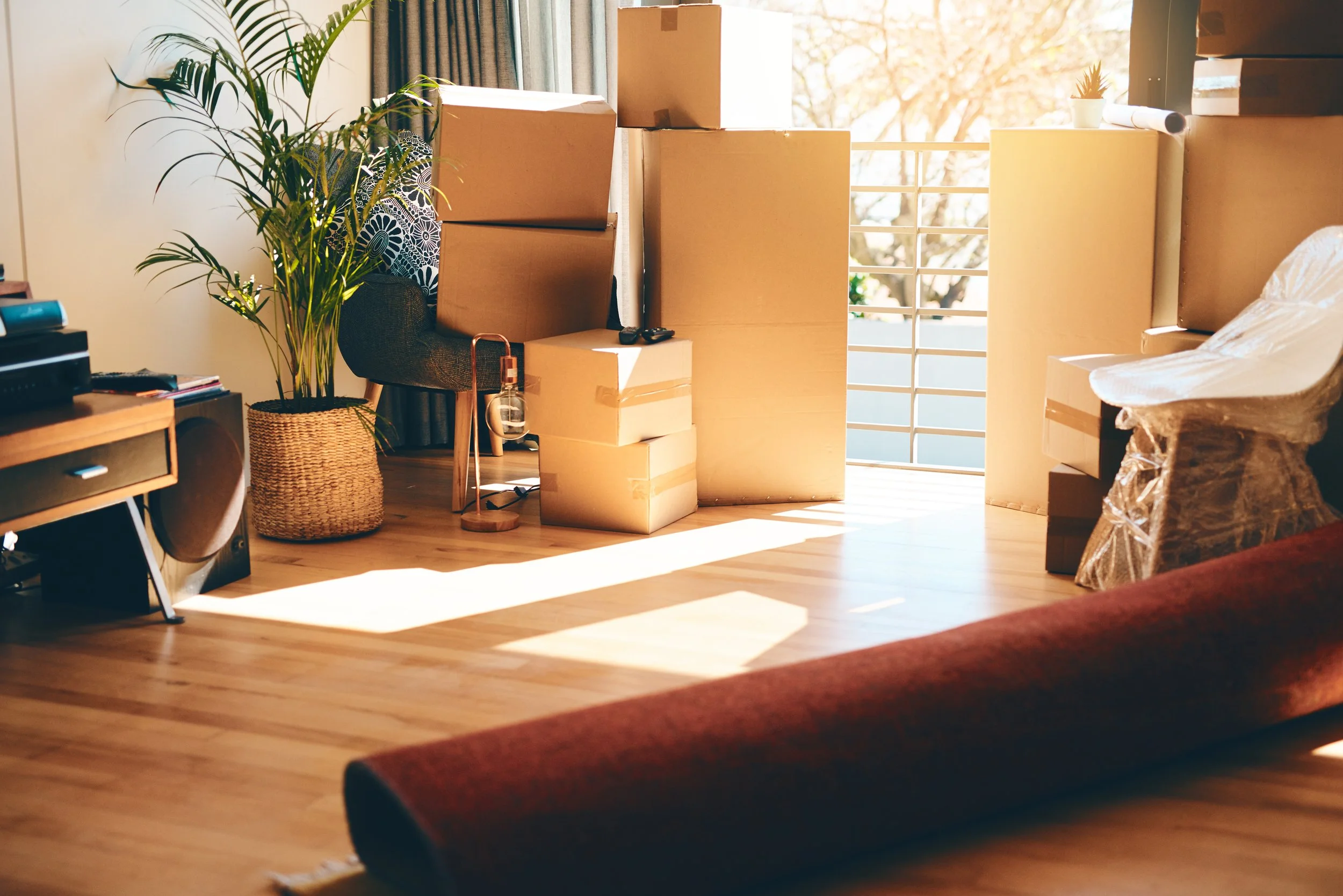
The second major error is assuming speed.Clicking “order” creates the impression of immediacy. But inventory instability affects everyone. Materials fluctuate. Labor shifts. Tariffs change. Manufacturers pivot constantly. After decades in the industry, one thing is clear: availability is never guaranteed.
Even large national retailers struggle with stock consistency. A product that appears available can quietly extend weeks, sometimes months, beyond its expected timeline.Just because something is in a catalog doesn’t mean it’s ready to ship. When projects depend on specific pieces arriving on time, delays create ripple effects. Installations move. Rooms sit incomplete. Momentum stalls. Strategic design anticipates this. When inventory red flags appear, alternatives are sourced quickly and proactively. Adjustments are made before delays disrupt the entire plan. Big box transactions don’t operate that way.
WHAT WE DO DIFFERENTLY:

After decades in the industry, we know availability is never guaranteed, so we plan accordingly. We verify inventory before specification, monitor lead times throughout the project, and maintain a network of alternative sources. When delays emerge, we adjust proactively with comparable pieces already vetted for your design. No stalled momentum, no incomplete rooms, no waiting months for a catalog item that's quietly backordered.
MISTAKE #3: Item-by-Item Decisions
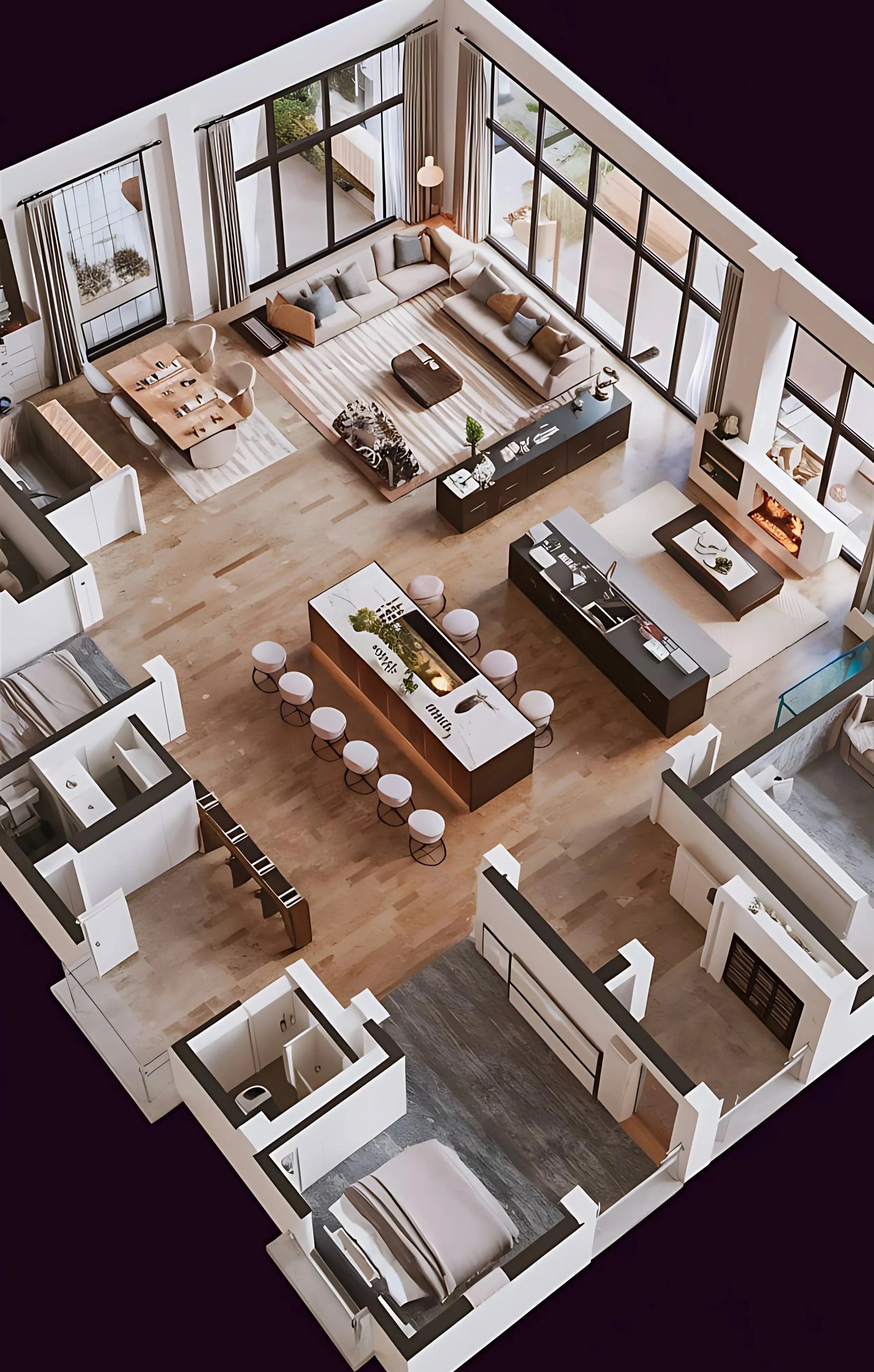
The third error is fragmented design. Big box retailers focus on one product at a time, will this sofa fit, here are the fabric swatches, here's the augmented reality view, but they don't coordinate the system. A home requires multiple vendors and dependencies: window treatments must clear hardware, rugs must stay out of traffic paths, lighting heights affect furniture scale, paint colors interact with upholstery. Big box doesn't manage these relationships because their model is transactional, not holistic. The result is a collection of isolated decisions that don't work together, even if each item technically "fits" in the room. When you walk into a home that's been designed holistically, you feel it.
WHAT WE DO DIFFERENTLY:
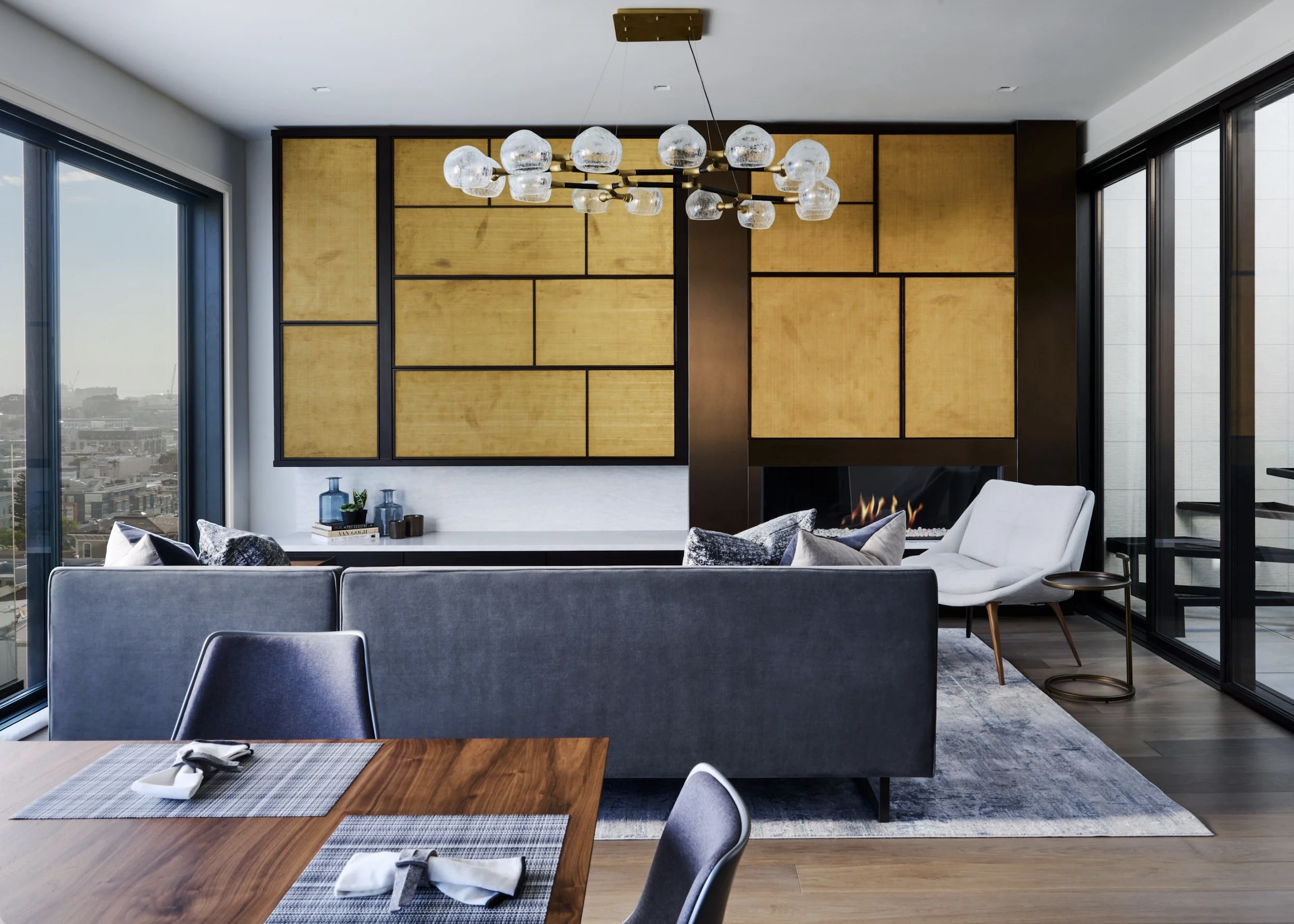
We design holistically, not in isolation. Every piece is selected based on how it interacts with lighting, acoustics, traffic flow, and adjacent rooms. Window treatments are coordinated with hardware. Rugs are sized for function, not just aesthetics. Dining tables are specified for how your family actually uses them. You get a coordinated system, not a collection of individual products that happen to share a space.
The Bottom Line:
We design holistically, not in isolation. Every piece is selected based on how it interacts with lighting, acoustics, traffic flow, and adjacent rooms. Window treatments are coordinated with hardware. Rugs are sized for function, not just aesthetics. Dining tables are specified for how your family actually uses them. We manage all the dependencies, from paint color to lighting height to upholstery selection, so everything works as a coordinated system, not a collection of individual products that happen to share a space.