Right now, you are probably in the throes of August holidays, thinking about back-to-school supplies, and savoring every moment of end-of-summer sweetness. The holidays may be the furthest thing from your mind.
Here's our professional advice: They absolutely shouldn't be. Not if you want your home to be ready for them.
This isn't about being an alarmist in August. It's about understanding that a beautifully designed home—the kind that holds a holiday crowd without an unfinished guest room or a last-minute scramble for the perfect sideboard—doesn't ever happen once the calendar turns to November. It happens now, when there's still time to get every detail right.
The September 1st Rule
Here is the designer's truth that no one tells you until it's too late: September 1st is your design deadline if you want quality furniture and finishes in place before Thanksgiving.
Work backwards from a November gathering and the math becomes very clear:
2 weeks to finalize selections and process your order
2 weeks for manufacturing lead time and transportation
2 weeks for warehousing and scheduled delivery
2 weeks to address anything that arrives with an issue, needs assembly, or requires adjustment
That's eight weeks minimum—for the best pieces from quality vendors. Rush it, and you're choosing between lesser options or gambling on a timeline that won't hold. Neither is a position you want to be in on November 20th.
Start by September 1st and you have something even better than a basic plan: You have buffer. Time to let the room settle before you layer in the seasonal details—the special table runners, the placemats, the centerpieces—the small touches that make a space look dressed rather than decorated and guests feel warm and welcomed.
 The Spaces That Earn Their Keep
A home built to host isn't about having the most beautiful rooms. It's about having rooms that flow when they're full of people. Here's where we focus first:
The Spaces That Earn Their Keep
A home built to host isn't about having the most beautiful rooms. It's about having rooms that flow when they're full of people. Here's where we focus first:
The Dining Room
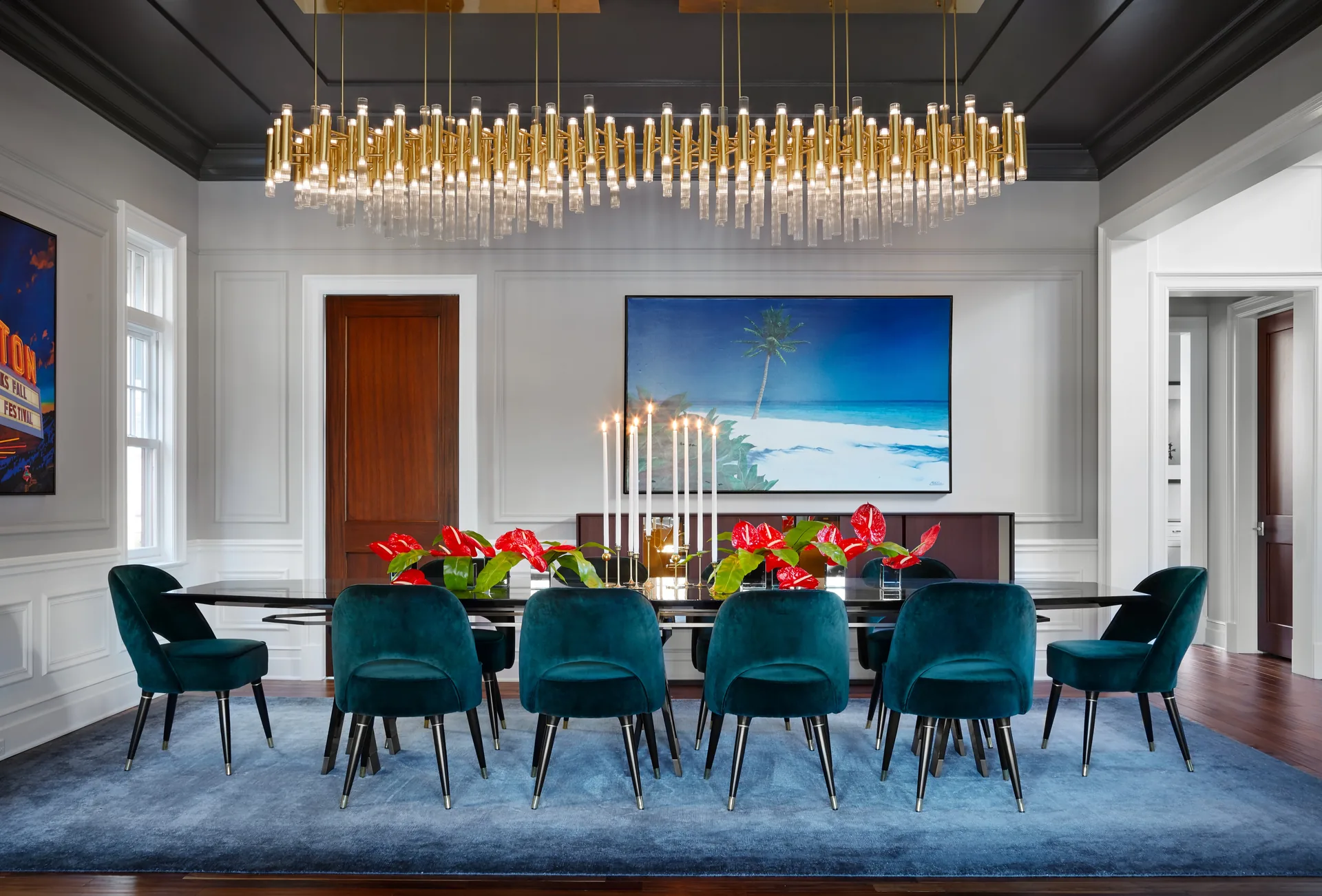
This is the room that gets tested hardest, and the one most often designed for six when the holidays require ten or twelve. A dining space that can genuinely seat the whole family (plus the ones who show up anyway) is the single highest-return investment in a home that hosts. If your dining chairs can't pull out fully without hitting a sideboard, or your table requires Olympic-level furniture shuffling to accommodate a leaf, this is the moment to address it.
Lighting also matters enormously here. A chandelier hung too high loses all its warmth. The right fixture at the right height—low enough to create intimacy, dramatic enough to hold the room—is what separates a dining room from a space where people happen to eat. Candles do the rest. Layer them on the table, the sideboard, the window ledges. Let the room glow.
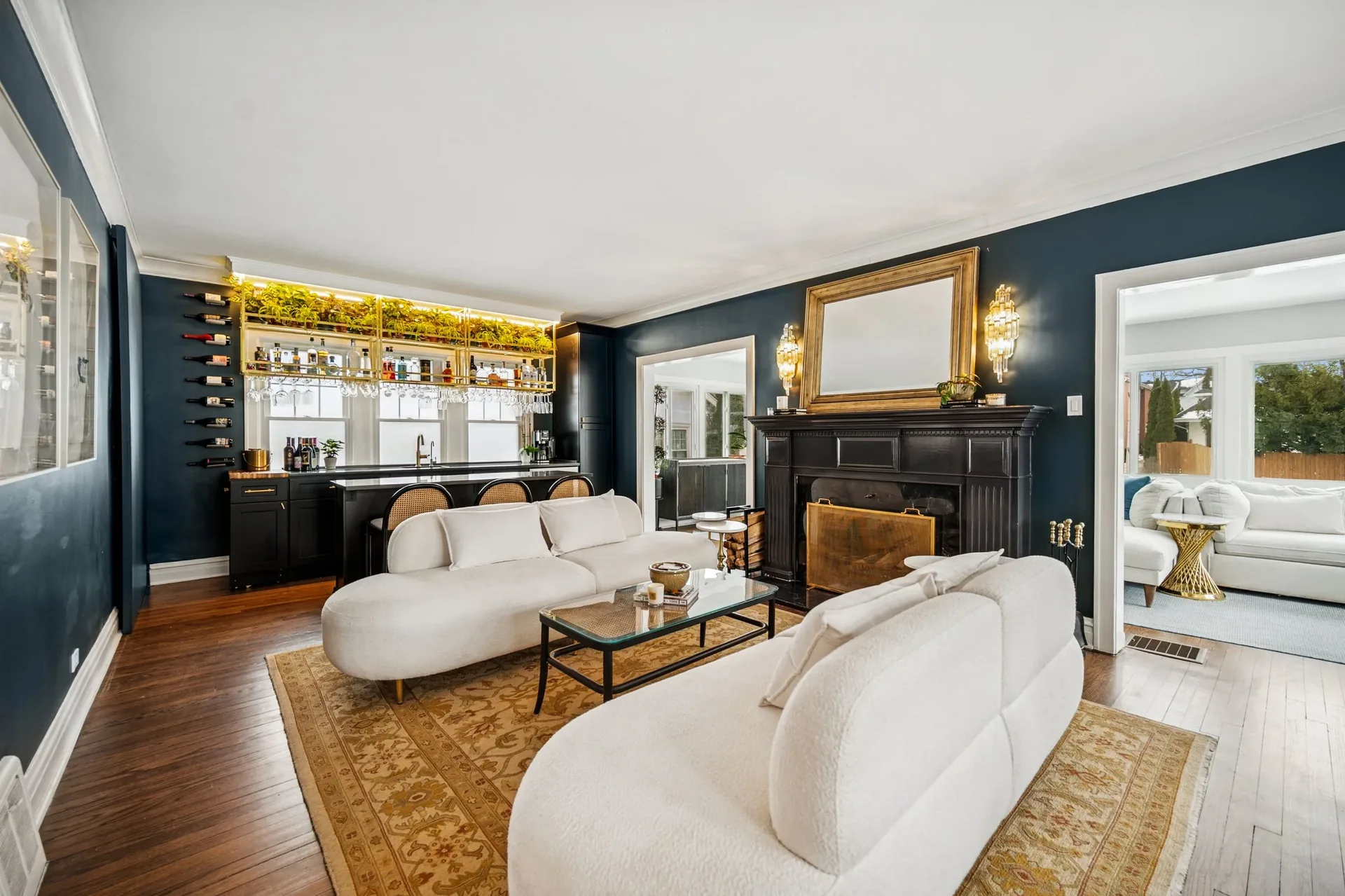
The Bar or Beverage Station
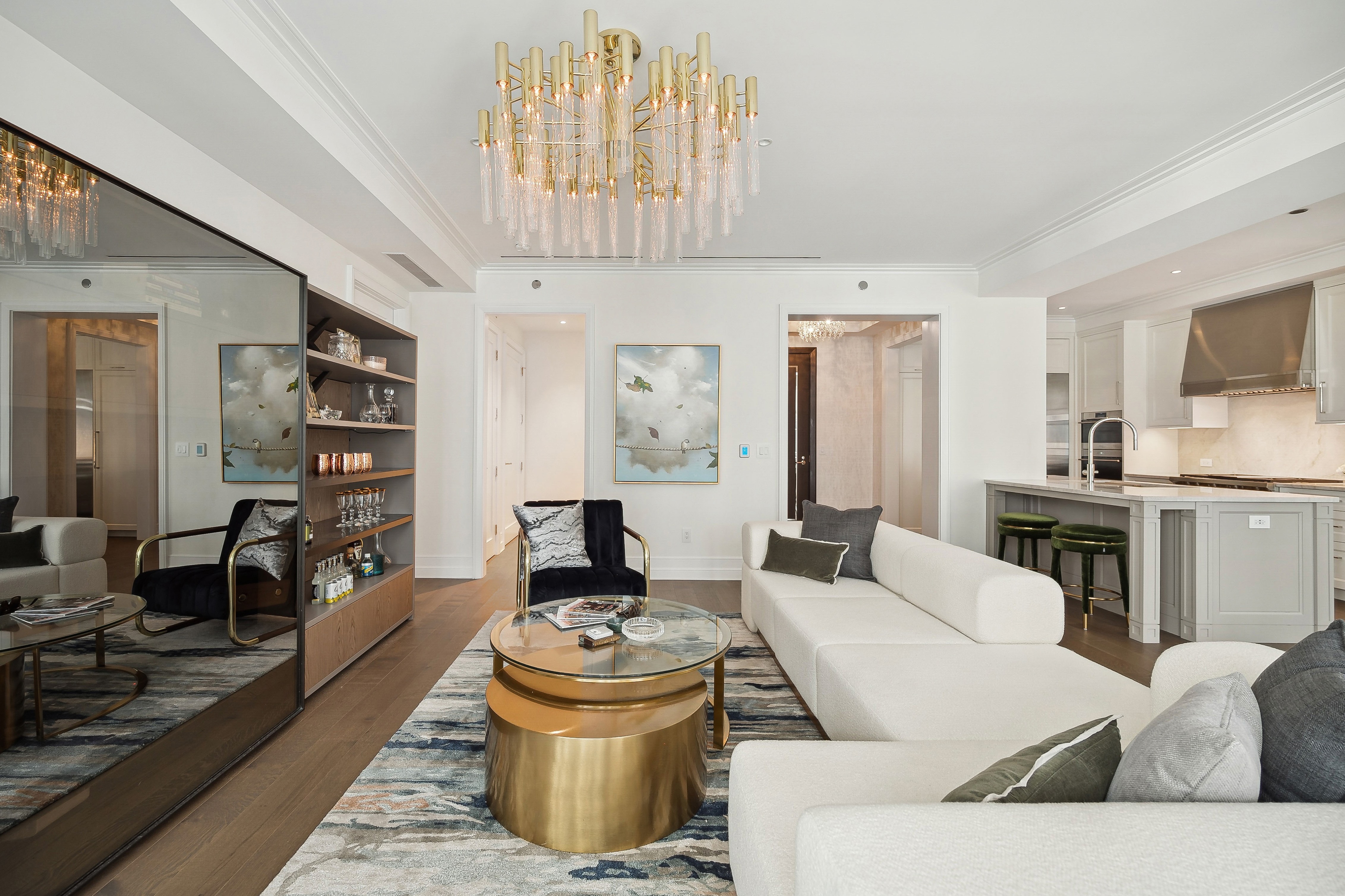
The fastest way to give yourself back your kitchen on a holiday is to give guests somewhere else to go. A dedicated beverage station—whether it's a bar cart, a built-in bar cabinet, or a sideboard staged with glassware, a signature cocktail setup, and a few good bottles—relocates the gravitational pull of the party away from where you're trying to cook.
This doesn't require a full bar build (though we've done more than a few beautiful ones). It requires intention: a solid surface, good lighting, and a setup that says this is where drinks happen clearly enough that guests gravitate to it on their own.
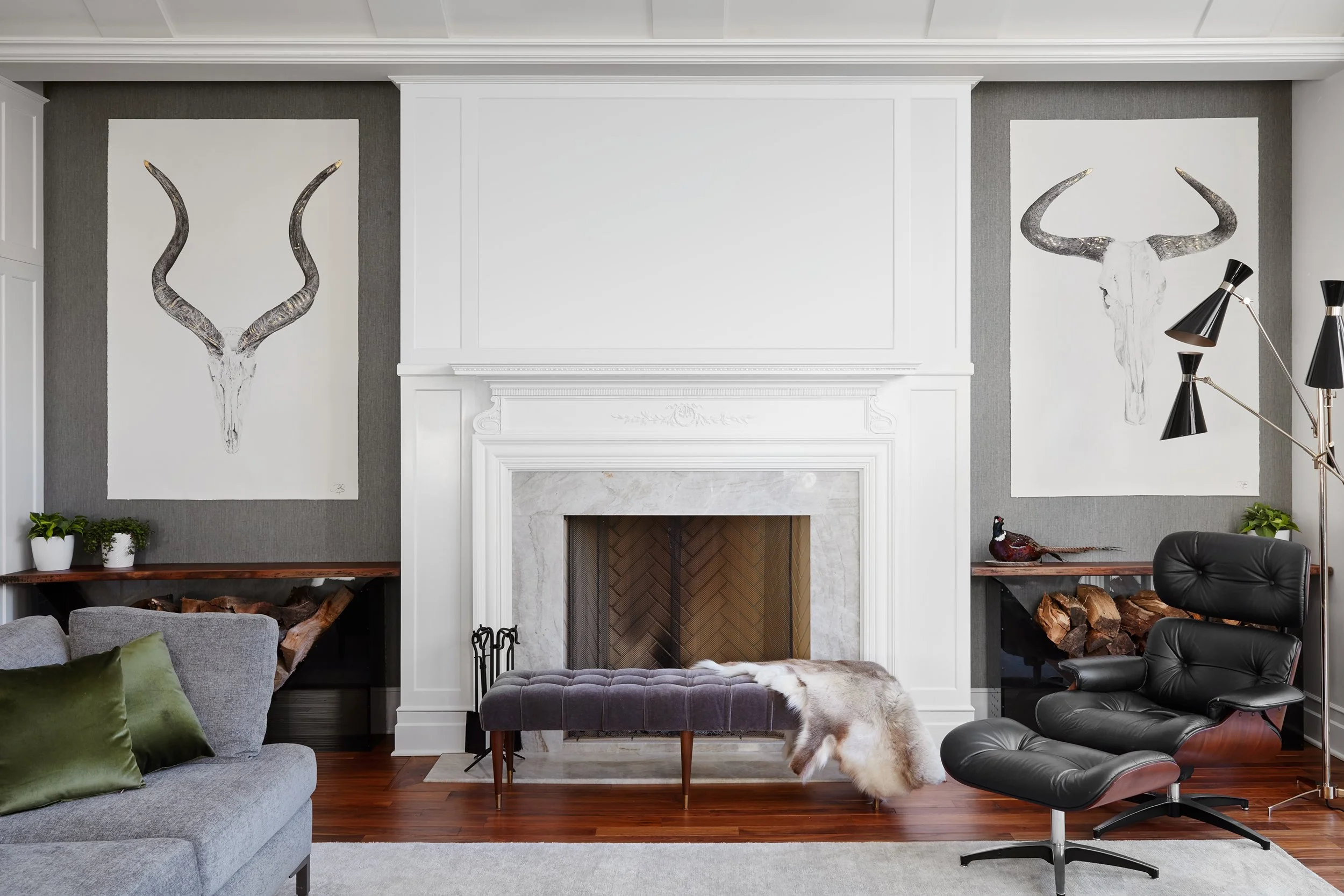
The Fireplace Surround
In the colder months, the fireplace becomes the room. People gather toward it naturally, the way they gather toward light. The surround, the mantel, the hearth—these deserve to be finished before the first fire of the season is lit, not admired as a project you meant to get to. A well-designed mantel is a stage, and the holidays give it the best material it'll see all year: a mix of greenery, candles, and objects that feel curated rather than assembled.
If you've been living with a fireplace that has an outdated switch or a surround that's seen better decades, this is the window to change it before winter settles in.
The Entry
Picture this: A gaggle of guests arrive wearing bulky (perhaps snow-covered) coats, carrying gifts and goodies. Nobody planned for that. A home built to host has thought through the entryway: hooks, a bench or a surface, somewhere that ten coats and a casserole can land without creating the pile that greets everyone who walks in for the next three hours. This is the smallest investment and the one that makes the biggest first impression.
Beyond the Interiors: The Garden and the Lights
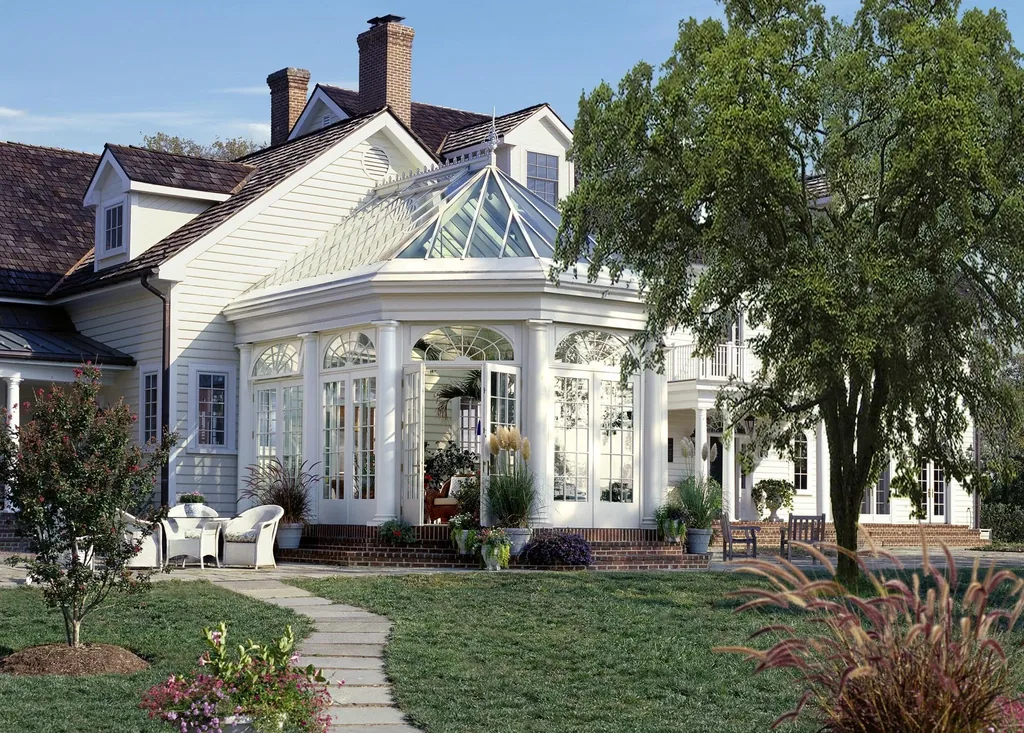
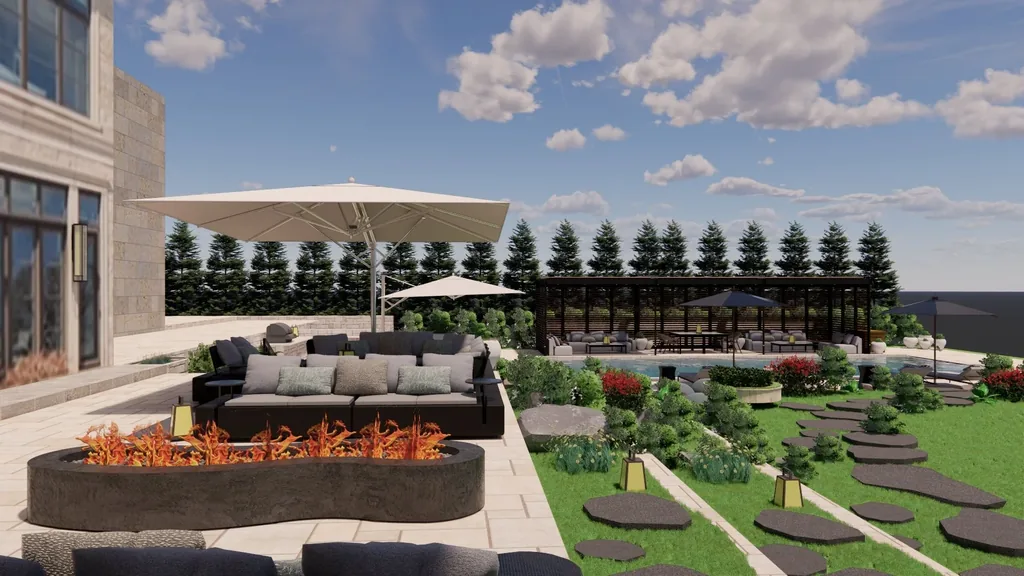
A home that hosts well doesn't stop at the front door.
Fall bulb planting is one of the most satisfying long-game investments a homeowner can make—and September and October are the window. Tulips, daffodils, hyacinths, alliums: Planted now, they return come spring in exactly the right places, in exactly the right quantities, without requiring you to figure it out in April when everything at the nursery is already sold out.
A practical tip worth adopting: Utilize AI to build your planting plan. Upload photos of your home's exterior, note your zip code and the sun exposure of each bed, and ask for a recommendation optimized for your specific conditions. The results are more tailored than any generic planting guide, and the odds of success come spring improve considerably.
Holiday lights are worth planning now, too. Which areas of the exterior get lit? What style? If you're hiring someone to hang them, your installer's calendar fills faster than you'd expect. Book September, plan in October, hang in November, and the week before Thanksgiving your home is already glowing while your neighbors are just getting started.
This Is the Season You Actually Enjoy the Holidays
There is a version of the holidays where you arrive at Thanksgiving happy to have handled everything well in advance—new furniture in place, the dining room finished, the entry sorted, the bulbs in the ground, the lights on the house—and the remaining weeks are genuinely free to celebrate the parts of the season that truly matter.
The gatherings. The people. The dinner that runs two hours past when dessert was supposed to happen because no one wants to leave yet.
That version of the holidays is designed. It doesn't happen by accident. It happens when someone—you, with our help—looks at a calendar in August and makes a plan.
September 1st is the design deadline. You still have time (but not much!).
Capturing moments of life through design—including the ones that happen around your table during the holiday season. Let's make sure your home is ready for them.