September 30, 2019
The pieces of art we collect over a lifetime illustrate who we are and what we value perhaps more than anything else we own. Sure, furniture can speak to our preference for traditional or contemporary design, but the paintings, sculpture, photography and objets d’art we choose to share in our homes offer glimpses into our soul.
In our ongoing Dare to Live series, we invite you to reveal yourself through your interior design. Here we’ll discuss how to curate and display those pieces of art that mean so much to you to give them the careful consideration and care they deserve.

Three-dimensional artwork blurs the lines between the piece and its viewer, inviting the eye and the mind to come closer. From free-standing sculpture to pieces that require hanging and mounting, 3-D art demands a precise attention to detail. Aspects to consider: optimal environment for viewing, availability of natural light and proper placement to appreciate the tangible qualities of the art from all angles.


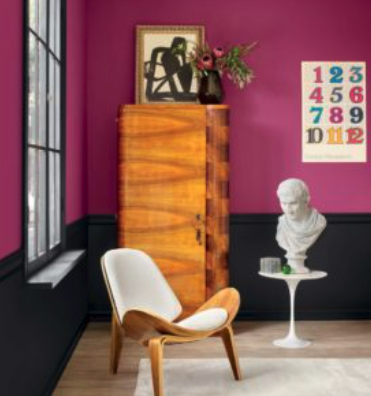
The first question we ask when engaging with a client is to view their existing art collection. That allows us to make strategic decisions that create a cohesive design that lets the pieces really shine. We don’t subscribe to the tired notion that bold artwork should always be offset by stark white walls and nondescript furniture. Sometimes, a vibrant background is the best way to bring forward and showcase the hues of a vivid painting. Apparently, the Louvre agrees; the museum is known for pairing complementary interior wall colors with its priceless works of art.

You know what they say: Location is everything. We work with clients to assess the available vertical real estate in their homes to perfectly pair with their art collections. Make an opening statement about you and your lifestyle in a foyer. Hang something sultry and romantic in a bedroom. Provide guests with something contemplative in a powder room. It’s that thoughtful planning that makes a home interesting and worth living in.

Nothing throws off the presentation of artwork more than improper use of scale. Considering the size of a piece in conjunction with where it will be displayed is paramount to its overall effect. Large-format works look striking above a staircase to continue the upward motion. Gallery-style arrangements of detailed pieces tell an ongoing story in a living room where the viewer can take their time to ponder. Intimate settings call for small, intriguing pieces that could get lost elsewhere.

Finally, your artwork should evoke a feeling or emotion in each area of your home. To make a lasting impression on all who enter, choose subject matter that stimulates the senses and illuminates your intentions.
Artwork is such an integral part of not only a person’s home but of their beliefs, their dreams and their desires. The Inspired Interiors team is here to help you showcase your collection so that it’s truly a masterpiece of meaning and artistic vision.
Featured Elm Street Reimagined: A 1922 Dutch Colonial Becomes a Living Showroom
A once-dilapidated 1922 Dutch Colonial on Elm Street is reborn as Inspired Interiors’ immersive Living Showroom—where bespoke cabinetry, a reimagined kitchen, a Grand Salon speakeasy, and thoughtfully layered architectural details honor the home’s history while elevating it for modern gatherings, curated networking, and community connection in the heart of Winnetka.
Read more → Destination Family Compounds: A Defining Luxury Trend for 2026
Luxury living in 2026 is being redefined, not by excess, but by intention. As families rethink how and where they gather, a new standard is emerging: the destination vacation family compound. These thoughtfully designed estates go beyond the traditional vacation home, offering a private, immersive environment where connection, autonomy, and legacy coexist.
Unlike resorts or single-home retreats, destination family compounds are designed to support real life across generations. A central residence anchors shared experiences, while secondary structures provide privacy and independence, allowing families to come together without sacrificing personal space. The result is a living environment that feels effortless, adaptable, and deeply personal.
At their best, these compounds are not seasonal escapes but enduring sanctuaries, places where traditions form, milestones are celebrated, and family history quietly unfolds over time.
Read more → Your Home Is Likely Your Biggest Investment — So Why Go It Alone?
Read more →
Your Home Is Likely Your Biggest Investment — So Why Go It Alone?
Read more →
 Rethinking Construction: Why Women Belong at the Helm
Read more →
Rethinking Construction: Why Women Belong at the Helm
Read more →